

Understanding Autism: School Age
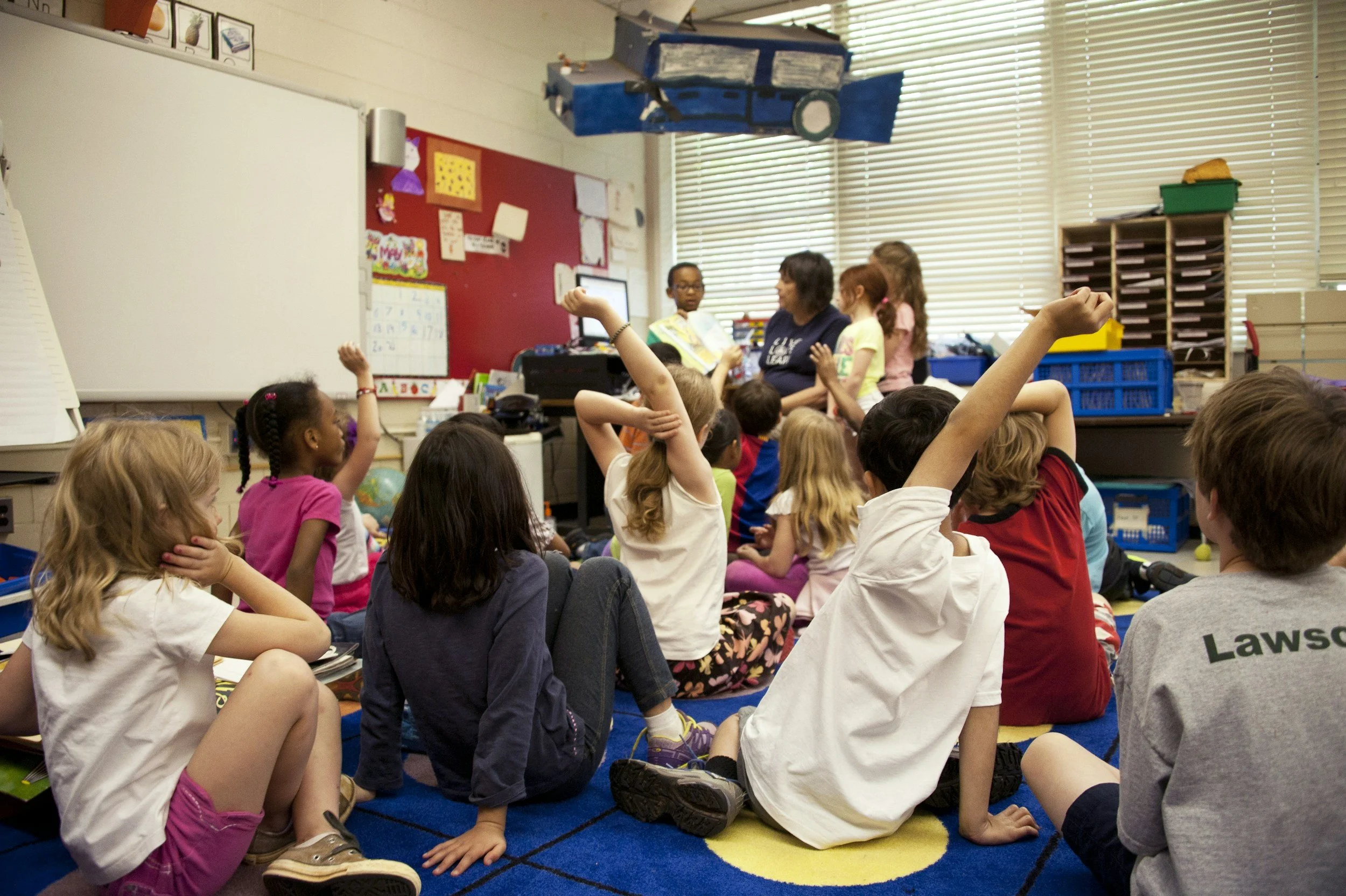
We’re continuing our series on Autism Spectrum Disorder (ASD) by exploring ASD for school age children! Understanding what autism can look like during the school years helps parents and professionals support each child’s unique strengths and needs.
How does ASD present with this age group?
By school age, some signs may become more noticeable as social and academic demands increase. You might see:
Communication differences: A child may have a rich vocabulary but struggle with back-and-forth conversation, understanding humor, or picking up on tone of voice and social cues.
Social challenges: Some children may prefer playing alone or have difficulty joining group games or maintaining friendships. Others may want to connect but need help understanding social rules.
Behavioral or sensory needs: Children might react strongly to certain sounds, textures, or routines. They may rely on structure and predictability to feel comfortable.
Focused interests or routines: Deep interests can help children learn and engage but may also become all-consuming without support for flexibility.
How do we support school-aged children with ASD?
Every child on the spectrum has their own unique way of learning, thinking, and connecting with the world. Supporting them starts with recognizing and building on those strengths.
Encourage Communication in Every Form
Every way a child communicates matters, whether that’s through words, gestures, pictures, or technology. With speech therapy services and parent training, we can:
Expand a child’s expressive language and social communication.
Help children learn to advocate for themselves (“I need a break,” “I don’t understand,” or “Can I have a turn?”).
Use a child’s interests as motivation for conversation and learning.
By honoring each child’s communication style, we can support their connection with others.
Create Supportive, Predictable Environments
Children thrive when they feel safe and understood. Predictable routines, visual supports, and clear expectations help make school and home environments easier to navigate. Small adjustments, like visual schedules, quiet corners, or sensory breaks, help children focus their energy on learning and interacting.
Build on Interests to Teach New Skills
Special interests can be powerful learning tools. A child who loves trains might learn math through counting cars or practice conversation by talking about train schedules. Using interests to motivate learning not only increases engagement but also helps children feel valued for who they are.
Foster Belonging and Connection
Connecting with others matters. We can support connection by encouraging and celebrating a child’s attempts to reach out to others, modeling turn-taking, and creating opportunities for shared experiences. Simple routines, like playing a favorite game together, reading a book side-by-side, or building something as a team, can strengthen communication and social understanding.
Growing With You,
The Grow With Words Team
